The soup pot · Serves 4
Lamb & leek cawl
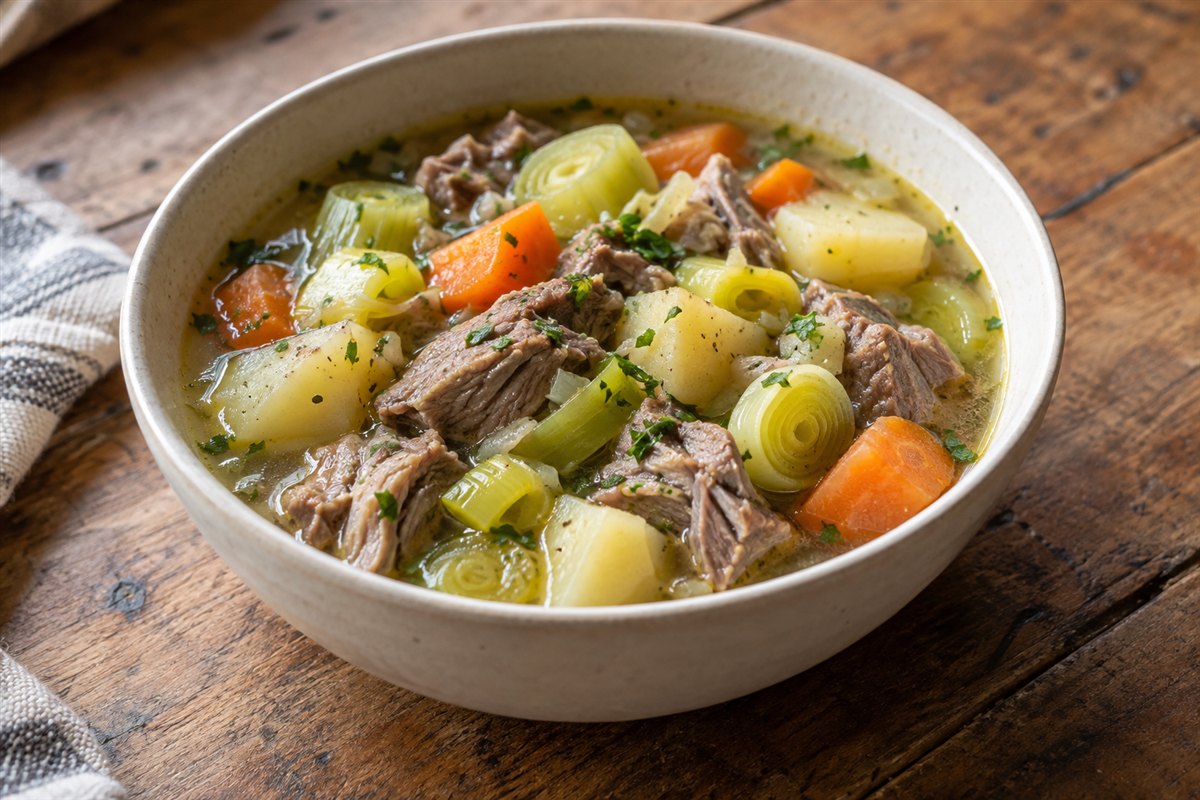
Tender Welsh lamb, sweet leeks and chunky roots in a clear, savoury broth. Set out some bread and a wedge of Caerphilly, and let everyone help themselves.
A pot that has fed Wales for generations
Cawl is the Welsh word for soup, but in most kitchens it means one dish in particular: a slow pot of lamb or mutton with root vegetables and leeks. It was a farmhouse meal, made with whatever the season and the store cupboard allowed, and every family has its own way of doing it. Some use neck of lamb on the bone, some use beef or bacon; some thicken the broth with a little oatmeal, others keep it clear.
What the versions share is patience. The meat goes in first and simmers gently until the broth is full of flavour. The roots follow, and the leeks are saved for the very end so they stay green and sweet.
What you’ll need
Tick things off as you go.
Take your time
- Start with the broth. Put the lamb, onion, stock and thyme into a large saucepan. Bring to the boil, skim off any foam, then turn the heat right down. Cover loosely and simmer gently for 1 hour.
- Add the roots. Stir in the carrots and swede. Simmer for 20 minutes, then add the potatoes and cook for another 20 minutes. Add a splash of water if the vegetables are no longer covered.
- Save the leeks for last. Add the sliced leeks and simmer for 10 minutes, until the vegetables are soft and the lamb is tender. If the lamb needs longer, keep the pot on a low heat and check it every 10 minutes.
- Bring it to the table. Lift out the thyme stems, skim away any surface fat and taste before adding salt and pepper. Ladle into warm bowls, with bread and a little Caerphilly on the side if you like.
Choosing the lamb
Shoulder is the most forgiving cut: it has enough fat to stay moist during the long simmer and becomes tender without falling into shreds. Neck fillet works too and cooks a little faster. For a more old-fashioned pot, use 1 kg of lamb neck on the bone; simmer it for 1½ hours before adding the vegetables, then lift out the bones, pull off the meat and return it to the pan.
Trim away any large pieces of hard fat before cooking, but leave a little: it carries flavour into the broth, and any excess can be skimmed off at the end.
Better the next day
Like most stews, cawl improves after a night in the fridge. Cool it quickly, cover and chill, then lift off the layer of set fat from the top before reheating. Bring it back to a gentle simmer and make sure it is piping hot all the way through. Many families serve it in two sittings: the broth first, on its own, and then the meat and vegetables as a second course.
The flavours deepen, the broth becomes clearer once the fat is removed, and the leeks soften further. If you plan to make it ahead, add the leeks when you reheat, so they keep their colour.
How to serve cawl
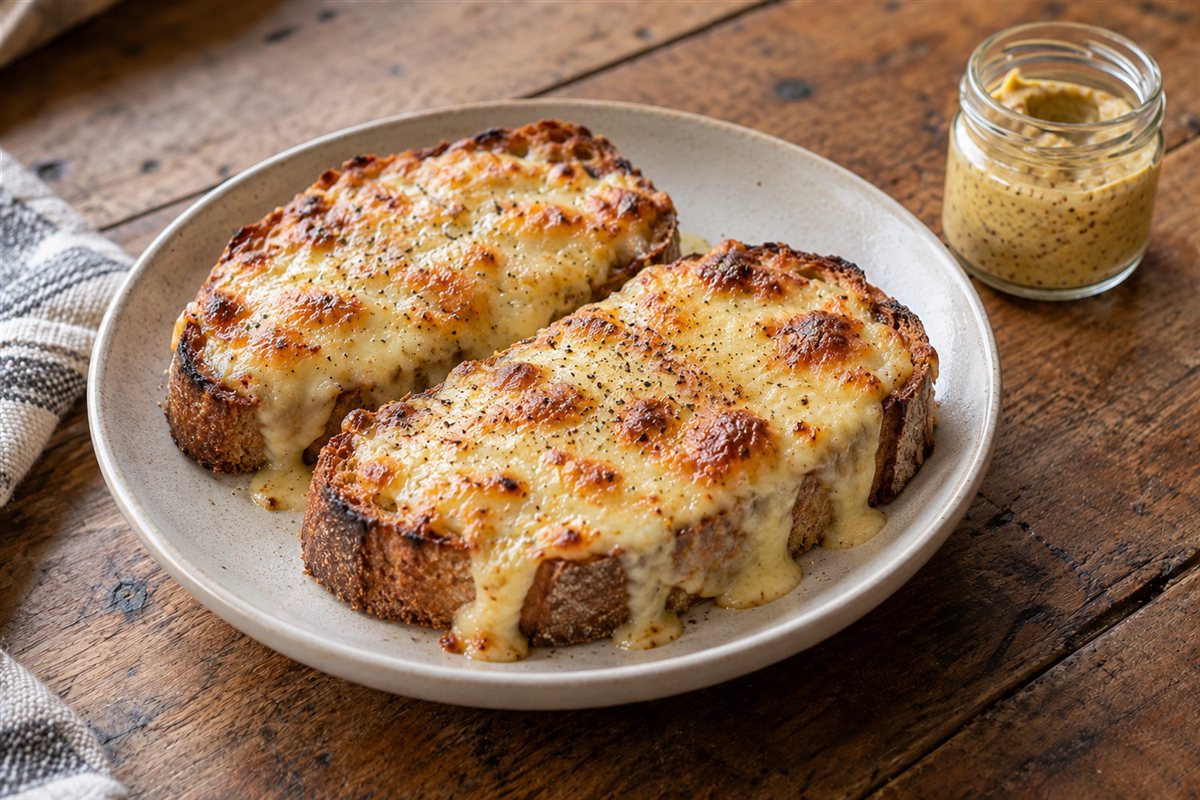
Cawl is traditionally eaten from a bowl with a wooden spoon, with a hunk of bread and a piece of cheese on the side. Crumbly Caerphilly is the classic choice, but a mature Cheddar is good too. Some people drop the cheese straight into the hot broth to soften. A scattering of chopped parsley or a few extra raw leek rings adds freshness at the end.
Leftovers keep in the fridge for up to 3 days, or can be frozen in portions for up to 3 months. Defrost in the fridge overnight and reheat until steaming hot.
A few small changes
Swap some of the potatoes for parsnips in winter, or add a handful of shredded cabbage with the leeks. A spoonful of pearl barley, added with the lamb, makes the pot more filling. For another warming bowl from the same kitchen, try the smooth leek and potato soup, or keep the lamb theme going with a Sunday roast.